
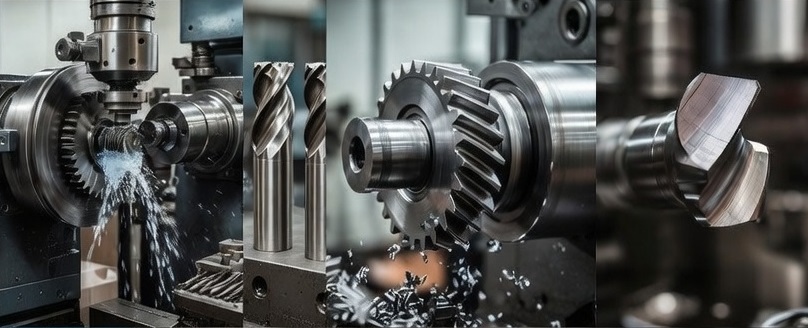
Gear shaper cutters are an important part of precision gear manufacturing. Every tooth profile, curve, and dimension depends on the cutter you choose. A small inaccuracy at the cutting stage can affect the performance of the final gear. That impact then travels into machines, vehicles, and heavy industrial systems. That is why it is important to find a good manufacturer for your gear cutter needs.
When you invest in gear cutting tools, you invest in accuracy and durability. A good manufacturer makes a clear difference in output quality and long-term cost control. This blog explains the basics for the best gear shape cutters and the checklist for buying them.
What Are Gear Cutters?
Gear cutters are specialized cutting tools used to manufacture gears with precise tooth geometry. They help create accurate gear profiles that ensure smooth engagement between mating gears.
These tools are commonly used in:
- Automotive components
- Industrial gearboxes
- Heavy machinery
- Aerospace assemblies
A well-made cutter produces clean, consistent teeth. A poorly made one creates uneven profiles and premature wear.
Now, let us go through the checklist that helps you make the right purchase decision.
1. Industry Reputation
You should always start with the manufacturer’s track record. It tells a lot about the company and its products.
Check:
- Client testimonials
- Case studies
- Long-term partnerships
- Industry references
Established manufacturers usually adapt to new machining standards and production technologies. Their history shows how they handle changing industrial demands.
A supplier with a stable presence in the market often provides dependable after-sales support as well.
2. Authentic Certifications
Certifications matter in precision tooling, like tool bits. They show that the manufacturer follows structured quality systems.
Look for compliance with:
- ISO standards
- Documented quality control processes
- Traceability systems
Certified companies maintain process discipline. They follow inspection standards at every stage. This reduces the risk of inconsistent cutter performance.
Always verify certification validity instead of relying on claims alone.
3. Technical Craftsmanship
Gear shaping demands exact engineering. Even minor surface irregularities can affect tooth engagement.
A strong manufacturer uses:
- CAD software for design accuracy
- CAM systems for machining control
- CNC machines for precise fabrication
The engineering team should understand tooth geometry, pressure angles, and module specifications. They must produce cutters that match the exact design requirements.
Ask technical questions. A capable manufacturer will explain design tolerances clearly.
4. Innovative Capabilities
Tooling technology keeps improving. Manufacturers that invest in research and development stay ahead.
Innovation can include:
- Improved cutter coatings
- Advanced tool geometries
- Better wear-resistant designs
- Custom cutter solutions
Modern industries need flexible tooling. A manufacturer that supports customization helps you meet specific production needs.
5. Exceptional Quality Control
Quality control defines the final outcome. Reputed manufacturers check every cutter before dispatch.
Ask about:
- Dimensional inspection methods
- Surface finish testing
- Hardness testing
- Performance trials
Strict inspection reduces the chance of tool failure during operation. It also protects your machining workflow from unexpected downtime.
6. Material Choice and Its Impact
Material selection affects durability and cutting performance.
Common materials include:
- High-speed steel
- Tool steel
- Carbide
- Coated carbide
High-grade materials withstand wear. This helps them maintain sharpness longer. Carbide cutters can easily handle higher speeds and harder materials.
7. Heat Treatment Process
Heat treatment directly affects hardness and toughness.
A proper heat treatment process:
- Improves wear resistance
- Maintains dimensional stability
- Reduces internal stress
- Increases tool life
Improper heat treatment leads to distortion and cracking in a gear cutter. Always confirm that the manufacturer follows controlled heat treatment procedures
What Are 5 Cutting Tools?
Understanding general cutting tools helps you compare gear cutters with other tooling types.
Here are five common cutting tools used in manufacturing:
- Turning tools
- Milling cutters
- Drills
- Reamers
- Involute gear cutters
Each tool serves a specific purpose. Gear shaper cutters focus on forming precise gear tooth profiles. Their geometry differs from standard milling cutters because they must generate involute profiles accurately.
How Are Gear Cutters Selected?
Selection depends on production needs and technical parameters.
Consider the following factors:
- Module or diametral pitch
- Pressure angle
- Gear material
- Machine compatibility
- Production volume
You must match the cutter to the gear specification exactly. An incorrect module or tooth form leads to faulty engagement.
Machine type also matters. Some cutters are designed for specific shaping machines. Always confirm compatibility before purchase.
What are the Different Types of Gear Cutter Sets?
Different gear cutter set manufacturing processes require different cutters.
Common types include:
- Gear shaper cutters
- Gear hobs
- Form milling cutters
- Rack-type cutters
- Disc-type cutters
Gear shaper cutters are ideal for internal gears and complex profiles. Hobs suit high-volume external gear production. Form cutters work for smaller batches or special shapes.
Choosing the correct type improves efficiency and reduces machining time.
Questions to Ask Before Placing an Order
Before finalizing your supplier, ask practical questions:
- What tolerance levels do you maintain?
- What inspection equipment do you use?
- Can you provide customized cutters?
- What is the lead time?
- Do you offer technical support?
Clear answers reflect professionalism.
Why Manufacturer Selection Matters
The cutter directly affects:
- Surface finish quality
- Tooth accuracy
- Production efficiency
- Tool replacement frequency
Poor tooling increases downtime and scrap rates. High-quality cutters improve repeatability and reduce waste.
Selecting a reputable manufacturer protects your long-term productivity.
Key Takeaway
Buying gear cutters, such as an involute spline cutter, is not just a procurement task. It is a technical decision that influences production output, gear quality, and machine reliability.
Focus on:
- Reputation
- Certifications
- Engineering capability
- Innovation
- Quality control
- Material standards
- Heat treatment process
Each point plays a role in overall cutter performance.
Do not rush the decision. Evaluate suppliers carefully. Ask detailed questions. Review samples if possible.
The right manufacturer will support your production goals with consistent quality and technical guidance.
Conclusion
Precision gears begin with precision tools. Gear cutters shape every tooth and every rotation that follows. This checklist will help you find a company you can easily work with. Work with a manufacturer that values engineering accuracy and strict quality control. Take time to review their capabilities and standards.
Ready to upgrade the quality of your gear production? Contact Maxwell Tools Co. today and purchase tools that combine precision with quality.